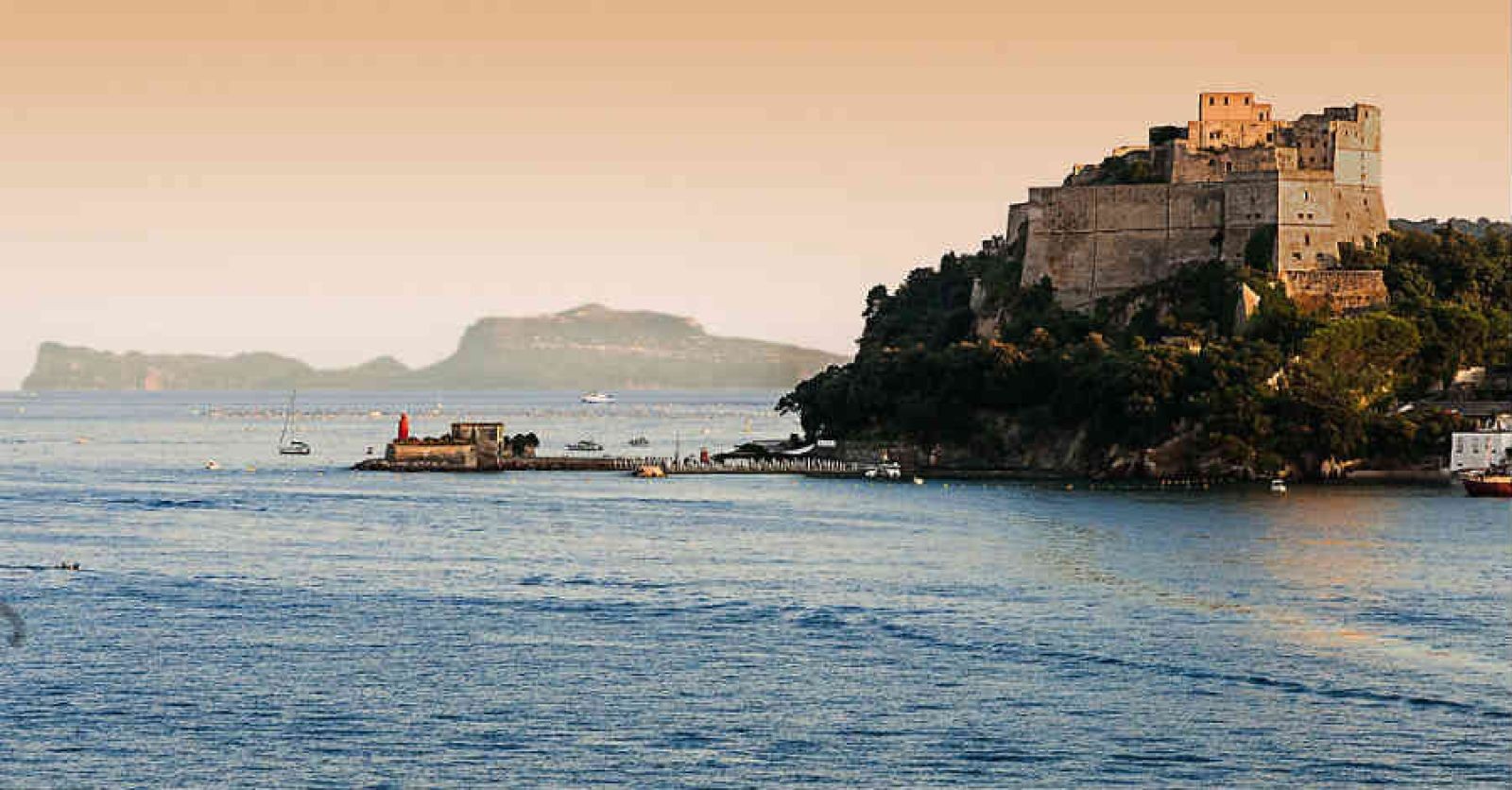
1) Archaeological Museum of the Phlegraean Fields - Baia Castle
Archaeological Museum of the Phlegraean Fields in Baia Castle
The museum is housed in the majestic Aragonese fortress overlooking the gulf. It is not just a repository of artifacts, but a journey into the Phlegraean identity. The rooms display the original plaster casts discovered at the Baths (Roman copies of Greek originals), the famous Sacellum of the Augustales, reconstructed exactly as it was found at Misenum, and submerged artifacts. The section dedicated to the Rione Terra of Pozzuoli is breathtaking for the quality of the marble. Highlight: The view from the ramparts is the most beautiful in the area.
The Archaeological Museum of the Phlegraean Fields is an immersive experience housed within one of the most impressive Aragonese fortresses in Italy. The castle, built in the late 15th century on the ruins of a Roman villa (perhaps Caesar's), stands on a strategic promontory overlooking the entire Gulf of Pozzuoli. The choice of this location is symbolic: the museum "looks down" on the places where its treasures come from.
The visit begins with the section dedicated to Rione Terra (Pozzuoli), where you can admire the marble decorations of the Temple of Augustus. The quality of the sculptures on display here rivals that of the Vatican Museums. Continuing, you come to the Hall of the Plaster Casts of Baia: a revolutionary discovery made in the 1950s. These are hundreds of fragments of plaster casts that the Romans used to reproduce in marble masterpieces of classical Greek statuary. These fragments have allowed scholars to reconstruct the aesthetics of the ancient world and understand how the imperial "art shops" functioned.
The emotional centerpiece of the museum, however, is the reconstruction of the Sacellum of the Augustales of Misenum. The bronze and marble statues (including those of Vespasian, Nerva, and the famous equestrian statue of Domitian/Nerva) have been repositioned following the exact plan of their discovery. Walking among these divine and imperial figures gives the sensation of participating in a two-thousand-year-old ritual. Equally important is the section dedicated to the Villa dei Pisoni and the artifacts from the Underwater Park, which displays sculptures that have spent centuries below sea level, acquiring a magical patina from marine concretions. The tour concludes on the castle terraces: from here, the view extends from Procida to Naples, providing a visual understanding of the area's volcanic geography and archaeological density.