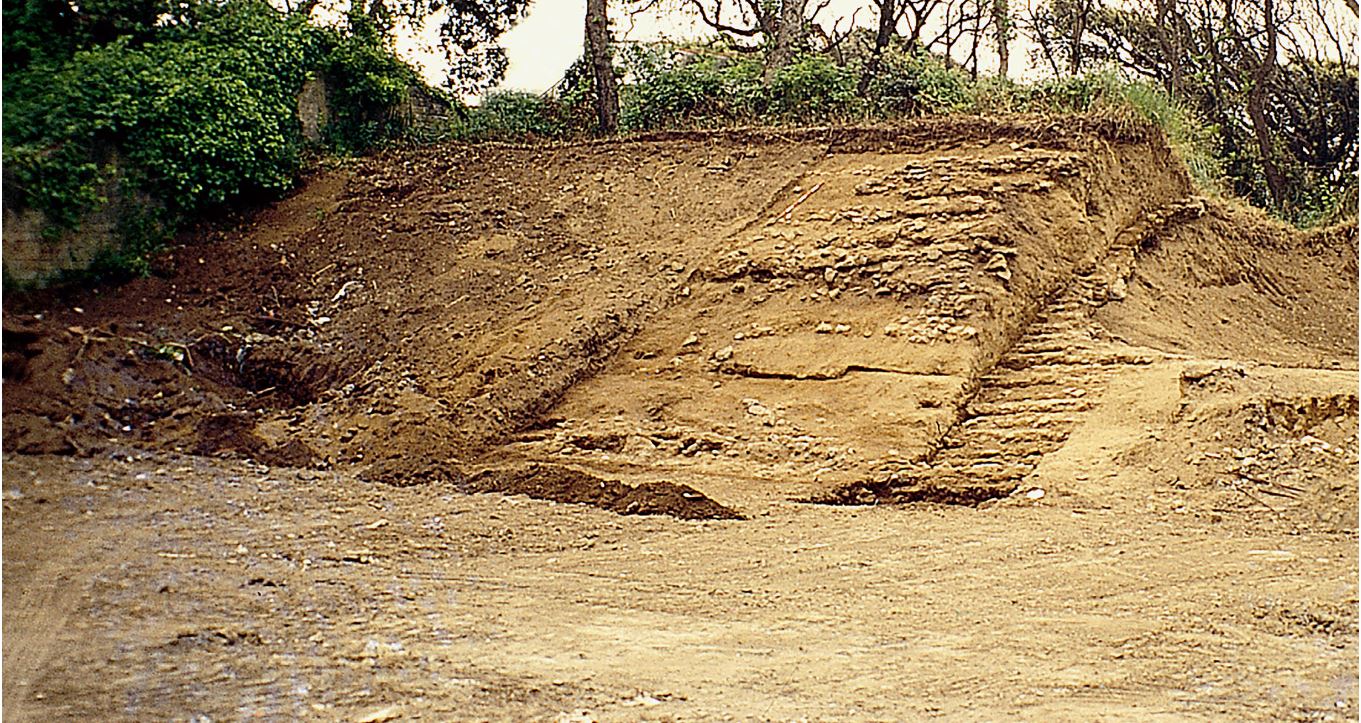
The Amphitheater of Liternum, situated within the Archaeological Park of Liternum on the shores of Lake Patria, represents one of the most significant architectural features of this ancient Roman maritime colony. While the city is most famously associated with the retirement of the legendary general Scipio Africanus, the presence of such a substantial leisure structure underscores the urban development and social complexity that the settlement achieved during the Imperial era. Built to serve the recreational needs of the Roman veterans and their families, the amphitheater stands as a testament to the importance of "panem et circenses" (bread and circuses) even in the smaller outposts of the Roman Empire.
Architecturally, the Amphitheater of Liternum follows the classic elliptical design characteristic of Roman gladiatorial arenas. It was strategically positioned outside the primary residential core of the city, a common practice in Roman urban planning to manage the large crowds and potential civil unrest associated with public games. The structure was partially excavated during the major archaeological campaigns of the 1930s, which sought to bring the lost city of Scipio back to light. These excavations revealed a building of considerable dimensions, estimated to have been able to accommodate several thousand spectators, drawn not only from Liternum itself but also from the surrounding villas of the Phlegraean Fields.
The construction of the amphitheater reflects the period of maximum prosperity for the colony, likely coinciding with the Flavian dynasty or the early Antonines. During this time, the city benefited from the proximity of the Via Domitiana, the vital coastal road that linked the major port of Puteoli to the Appian Way. This infrastructure facilitated the movement of gladiators, exotic animals, and traveling performers who would have provided the entertainment for the local populace. The arena floor, or harena, was the stage for diverse spectacles, ranging from munera (gladiatorial combats) to venationes (staged hunts), which were essential for maintaining the morale of the retired soldiers who formed the backbone of the local citizenry.
Technically, the amphitheater utilized local materials, primarily opus reticulatum and tuff stone, which were abundant in the volcanic landscape of Campania. The seating area, known as the cavea, was divided into sections to reflect the strict social hierarchy of Roman society, with the most prominent citizens occupying the lower tiers closest to the action. Over the centuries, however, the structure suffered from the same decline that affected the rest of the colony. Vandal raids in the 5th century and the subsequent environmental degradation of the Lake Patria area led to the gradual burial of the monument under layers of silt and vegetation.
Today, the remains of the amphitheater provide a fascinating glimpse into the private and public lives of Liternum’s ancient inhabitants. Although less famous than the grand Flavian Amphitheater in nearby Pozzuoli, its ruins offer a more intimate connection to the Roman past. It stands as a silent witness to the cultural continuity of the Roman world, bridging the gap between the military austerity of Scipio's era and the sophisticated leisure culture of the Roman Empire at its zenith.